Oral structural differences
Learn how differences in the structure of the mouth can affect speech, and how families, education staff and specialists can work together supporting children.

What this looks like
Differences in the structure of the mouth, such as cleft lip and palate, tongue-tie or a high palate, can sometimes affect speech. However, a structural difference does not always cause a speech difficulty or mean treatment is needed.
You may notice certain sounds are unclear, speech sounds unusually nasal, or air escapes through the nose during talking. Following cleft palate surgery, some children continue to use speech patterns they developed before surgery, while others have difficulties that need further specialist investigation. Tongue-tie and palate differences affect children differently, so we assess how your child’s mouth functions during speech rather than making assumptions based on appearance alone.
How we can help
We assess your child’s speech sounds and resonance, meaning how sound carries through the mouth and nose, to understand what may be affecting clarity.
Trying different sound cues helps us identify speech patterns that could respond to therapy. Intervention may involve showing where to place the tongue and lips, practising airflow during speech, and building accurate sounds into words and conversation.
For children following cleft surgery, we work collaboratively with their NHS cleft team and follow agreed recommendations. Where an underlying structural issue needs specialist management, we explain this and liaise with the appropriate professionals. We also give families practical activities to support agreed speech goals at home, keeping practice manageable and relevant to their child.
Our step-by-step process

Assessment

Therapy

Reports

Working with others
Our team are ready to help
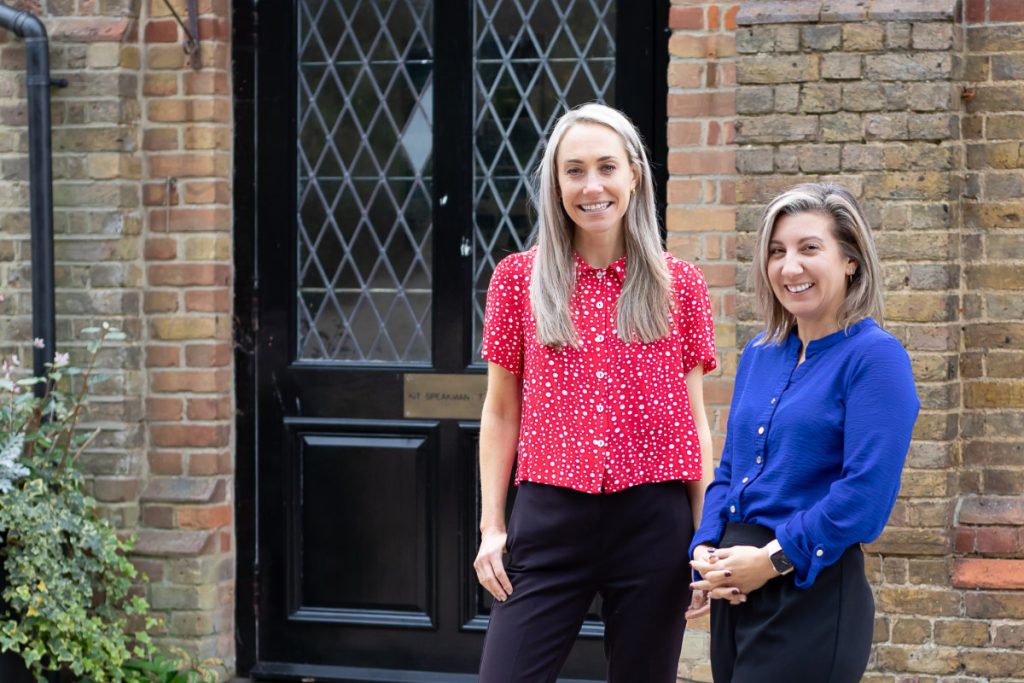
Our Essex and South West teams help children and young people reach their communication potential through support in schools, clinics and local communities. Covering Essex, Bristol, Bath and South Gloucestershire, our HCPC-registered therapists are members of the RCSLT, while apprentices receive guidance from our experienced team and partner universities.
Our clients say it best...
Registered, regulated, insured
Every therapist is HCPC-registered and a member of the Royal College of Speech and Language Therapists, with enhanced DBS checks and safeguarding training as standard. You can verify any therapist’s registration directly with the HCPC.


Contact us
Our aim is to provide a gold-standard speech and language therapy service to children and families in Essex and the South West.
Our values make this possible: Togetherness, Integrity, Child-centred, Support and Respect