Blank’s Levels of Questioning
Blank’s Levels of Questioning is a structured framework that supports children’s understanding of language, progressing from simple questions about what they can see to more complex reasoning and problem-solving.

About the intervention
Blank’s Levels is a structured language framework used to develop children’s understanding of questions, spoken information and increasingly abstract ideas. Developed by psychologist Marion Blank and colleagues, it groups questions into four levels, progressing from language linked to what a child can see towards reasoning that draws on wider knowledge and experience.
At Level One, children respond to concrete questions about objects, pictures or events directly in front of them, such as naming an item or identifying an action. Level Two involves noticing and describing features, functions and categories. At Level Three, children use information in different ways, including sequencing events, making simple predictions and explaining what might happen next. Level Four requires more abstract reasoning, such as explaining causes, justifying decisions and considering possible solutions.
The framework helps adults recognise the language demands within classroom activities and adjust questions to match each child’s current level of understanding. Therapists may use pictures, stories, practical activities and familiar routines to explore how a child responds at each level. Support can include simplifying the question, repeating key information, offering choices or using visual prompts.
Blank’s Levels can be incorporated into individual or small-group therapy and applied during lessons, shared reading and everyday conversations. Activities are selected according to the child’s communication profile, with questions introduced at an appropriate pace rather than assuming that every child follows the same sequence.
How we can help
Our Speech and Language Therapists can assess how a child understands and responds to questions across the four Blank’s Levels. We use the findings to identify an appropriate starting point, establish baseline data and agree clear, measurable targets.
Therapy activities can be delivered individually or within a group, using classroom topics, stories, pictures and practical tasks where appropriate. We also provide therapy outcome measures so that responses can be reviewed consistently and the programme adjusted in line with the evidence collected.
We can upskill teachers, learning support assistants and other education staff through intervention training. This includes recognising the language demands of different questions, adapting adult language, using prompts effectively and incorporating the framework into classroom routines. Staff can also receive practical resources and guidance for recording responses and supporting agreed targets between therapist visits.

Enquire about Blank’s Levels of Questioning for your school
Contact us to discuss Blank’s Levels of Questioning therapy and the support you are interested in. Together, we can discuss whether the training fits your setting and arrange online or face-to-face training in a small group.
Our team are ready to help
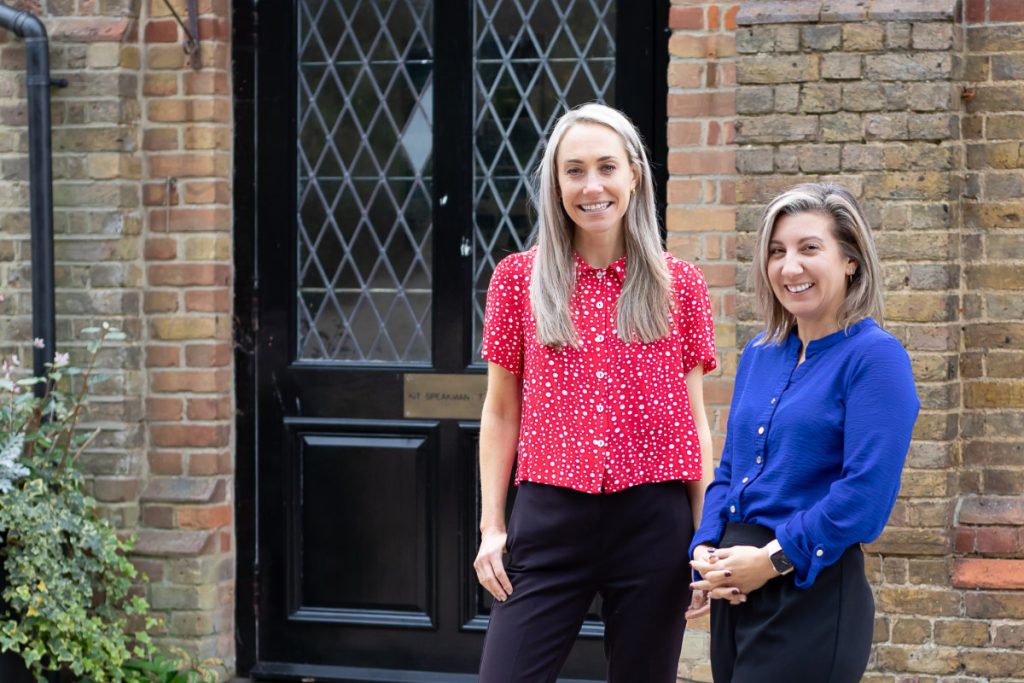
Our Essex and South West teams help children and young people reach their communication potential through support in schools, clinics and local communities. Covering Essex, Bristol, Bath and South Gloucestershire, our HCPC-registered therapists are members of the RCSLT, while apprentices receive guidance from our experienced team and partner universities.
Our clients say it best...
Registered, regulated, insured
Every therapist is HCPC-registered and a member of the Royal College of Speech and Language Therapists, with enhanced DBS checks and safeguarding training as standard. You can verify any therapist’s registration directly with the HCPC.

Contact us
Our aim is to provide a gold-standard speech and language therapy service to children and families in Essex and the South West.
Our values make this possible: Togetherness, Integrity, Child-centred, Support and Respect