Comic Strip Conversations
Explore how simple drawings can help learners consider perspectives and understand interactions, giving education staff a visual way to support meaningful conversations and problem-solve difficult social situations.

About the intervention
Comic Strip Conversations, developed by Carol Gray, use drawings to explore interactions. Stick figures, speech and thought bubbles help show what people have said, what happened and what they may have been thinking or feeling.
Drawing slows a conversation down and provides something visible to refer to. The learner and adult build the account together, allowing time to clarify details and explore different perspectives. Artistry is not required.
For example, a pupil might draw a moment when a game changed unexpectedly. Together, the pupil and adult can explore what each person knew, what was communicated and what could help everyone understand one another better next time.
The approach can also be used to help students communicate how an interaction or event has been misunderstood and help guide conversation repair.
Younger children may use a few pictures and simple language. Older pupils may prefer more detailed drawings or written dialogue. Colours can represent feelings when their meaning is agreed with the learner.
The approach is commonly used with autistic learners, but suitability depends on the individual. Conversations should take place when the learner feels calm and able to participate. Used sensitively, the drawings can support shared understanding, preparation for situations and collaborative problem-solving without assigning blame or fault.
How we can help
Our online or face-to-face training introduces Comic Strip Conversations as a practical way to explore communication visually. We explain how drawings, speech and thought bubbles can support a shared discussion.
You can consider how to invite a learner’s perspective, clarify what happened and keep possible interpretations separate from known facts. We explore the adult’s role in listening, asking accessible questions and recognising when a conversation needs to pause.
The training connects the approach with familiar education situations, including joining activities, navigating misunderstandings and preparing for change. We help you think about age, preferences and emotional readiness, so you can approach these conversations with curiosity and respect for the learner’s experience and communication needs.

Enquire about Comic Strip Conversations for your school
Contact us to discuss Comic Strip Conversations and the support you are interested in. Together, we can discuss whether the training fits your setting and arrange online or face-to-face training.
Our team are ready to help
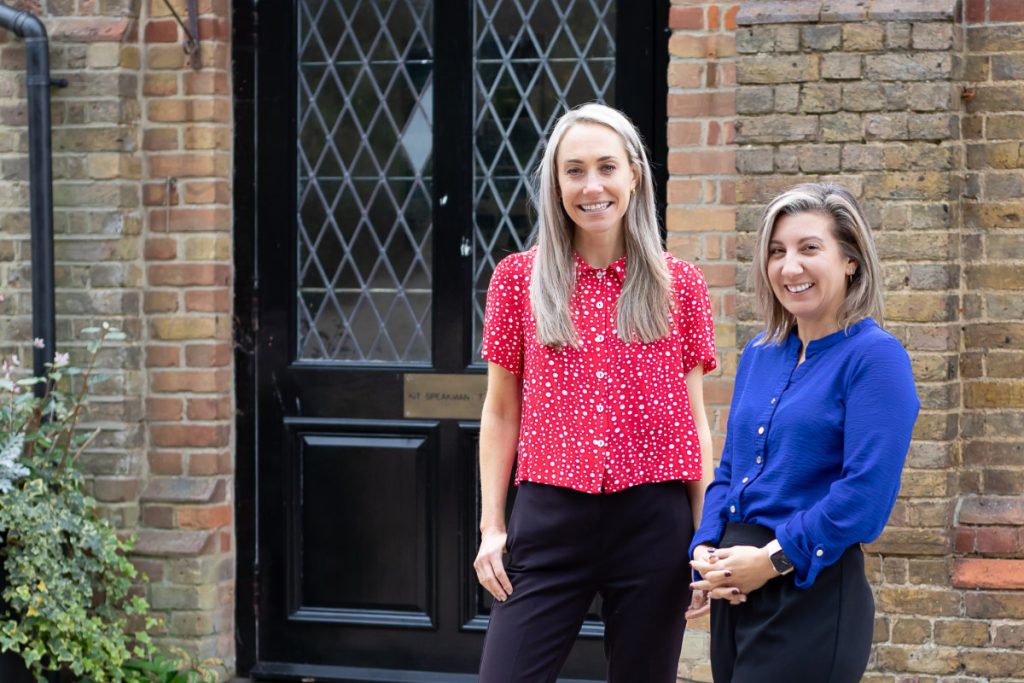
Our Essex and South West teams help children and young people reach their communication potential through support in schools, clinics and local communities. Covering Essex, Bristol, Bath and South Gloucestershire, our HCPC-registered therapists are members of the RCSLT, while apprentices receive guidance from our experienced team and partner universities.
Our clients say it best...
Registered, regulated, insured
Every therapist is HCPC-registered and a member of the Royal College of Speech and Language Therapists, with enhanced DBS checks and safeguarding training as standard. You can verify any therapist’s registration directly with the HCPC.


Contact us
Our aim is to provide a gold-standard speech and language therapy service to children and families in Essex and the South West.
Our values make this possible: Togetherness, Integrity, Child-centred, Support and Respect