Narrative development
Support learners to understand and tell stories, organise events and share experiences, with practical approaches that connect communication, classroom learning and everyday social interaction.
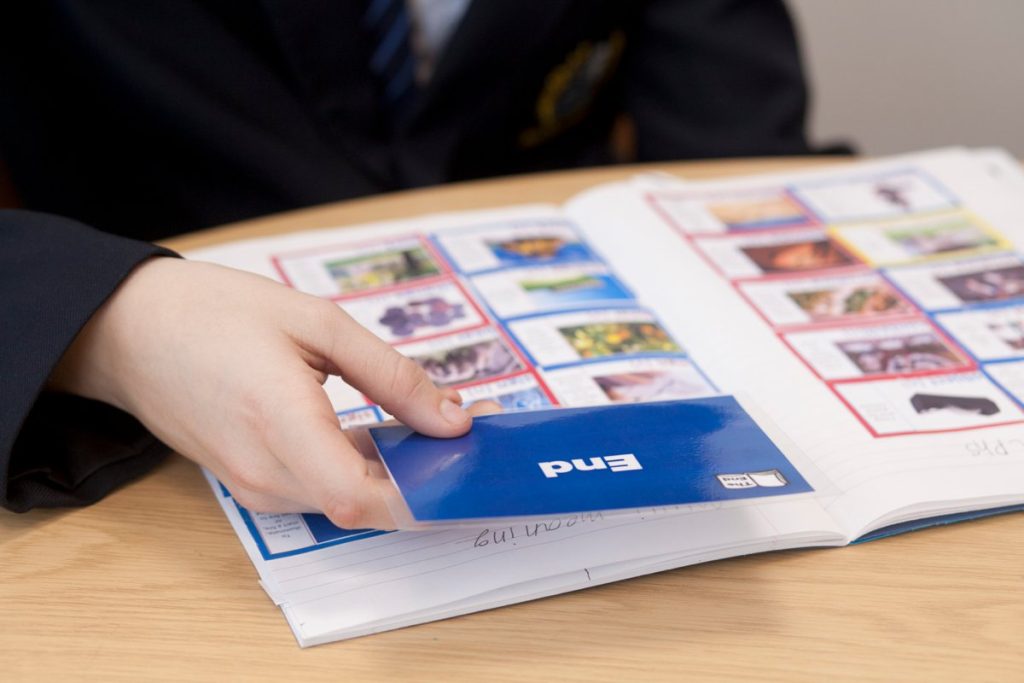
About the intervention
Narrative development involves learning to understand and share stories and events. These may be imaginative stories, descriptions of something that happened or explanations of an experience. It is a broad area of language development rather than one programme.
Telling a clear story draws on several skills. Learners need to introduce people and places, sequence events, explain important details and help the listener understand how things connect. Vocabulary and sentence skills support this process.
For younger children, play, familiar routines and simple picture sequences offer useful starting points. Older pupils may explore characters’ motivations, links between events and more detailed personal accounts. Materials should match both language needs and interests.
These skills matter beyond storytelling. They help pupils recount a lesson, explain a disagreement, contribute to discussion and organise ideas for writing.
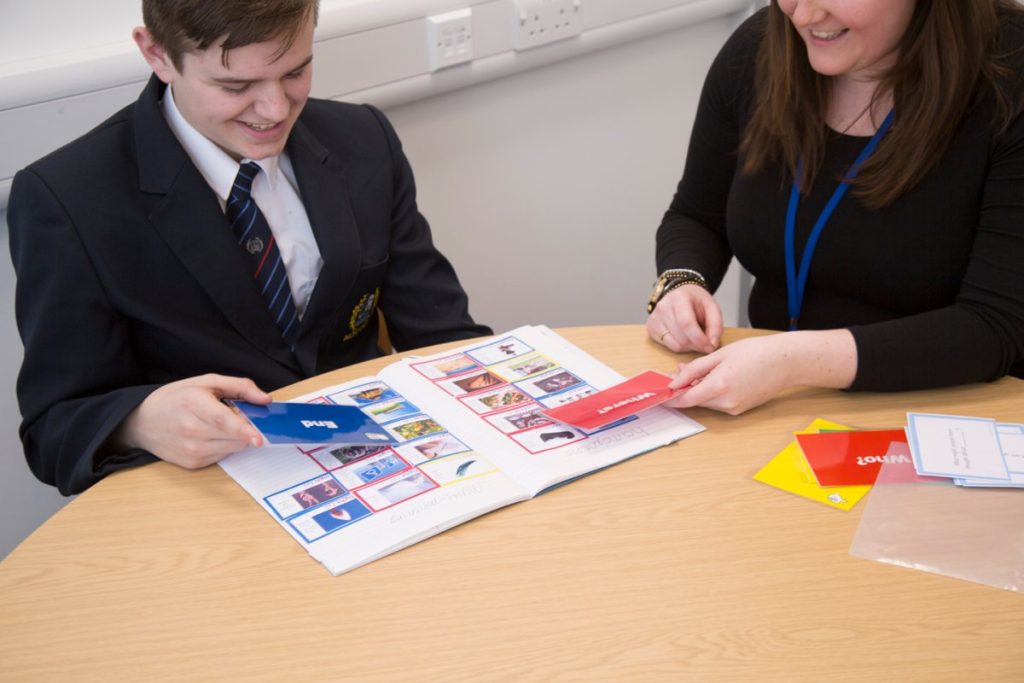
Visual prompts can help students structure ideas and include information a listener would otherwise be missing.
Support should allow learners to communicate through their preferred methods and develop at an appropriate pace. Where storytelling difficulties are persistent or affect participation, speech and language therapy advice can help identify priorities and suitable individual support.
How we can help
We offer online or face-to-face training in small groups to help you support narrative development across everyday learning opportunities. We explain the building blocks of storytelling and how these relate to sharing experiences and organising ideas.
Our training explores ways to model a clear account, use visual prompts and encourage learners to include useful information. You can consider how familiar events, books and curriculum activities provide starting points for practice.
We help you think about the difference between supporting a learner’s ideas and supplying the whole story for them. With accessible explanations, we connect narrative skills to classroom participation and discuss how expectations can reflect pupils’ language needs, interests and stage of development within your education setting.
Enquire about narrative development for your school
Contact us to discuss narrative development and the support you are interested in. Together, we can discuss whether the training fits your setting and arrange online or face-to-face training in a small group.
Our team are ready to help
Our Essex and South West teams help children and young people reach their communication potential through support in schools, clinics and local communities. Covering Essex, Bristol, Bath and South Gloucestershire, our HCPC-registered therapists are members of the RCSLT, while apprentices receive guidance from our experienced team and partner universities.
Our clients say it best...
Registered, regulated, insured
Every therapist is HCPC-registered and a member of the Royal College of Speech and Language Therapists, with enhanced DBS checks and safeguarding training as standard. You can verify any therapist’s registration directly with the HCPC.


Contact us
Our aim is to provide a gold-standard speech and language therapy service to children and families in Essex and the South West.
Our values make this possible: Togetherness, Integrity, Child-centred, Support and Respect