Speech sound development
Learn how speech sounds develop and how education staff can support clearer communication, respond sensitively to difficulties and recognise when specialist advice is needed.

About the intervention
Speech sound development is the process of learning to produce and organise the sounds used in speech. Children develop these skills gradually, and some sound patterns are expected while they are learning. Development varies between children and across languages.
Some children find it difficult to produce particular sounds, while others use patterns that make words harder to understand. Understanding what someone means and producing clear speech are different skills; unclear pronunciation does not tell us how much a child understands.
Everyday support includes listening patiently, responding to the message and providing a spoken model. If a child says “tat”, an adult might naturally reply, “Yes, a cat.” Repeatedly asking for corrections isn’t advised during conversation and can add pressure.
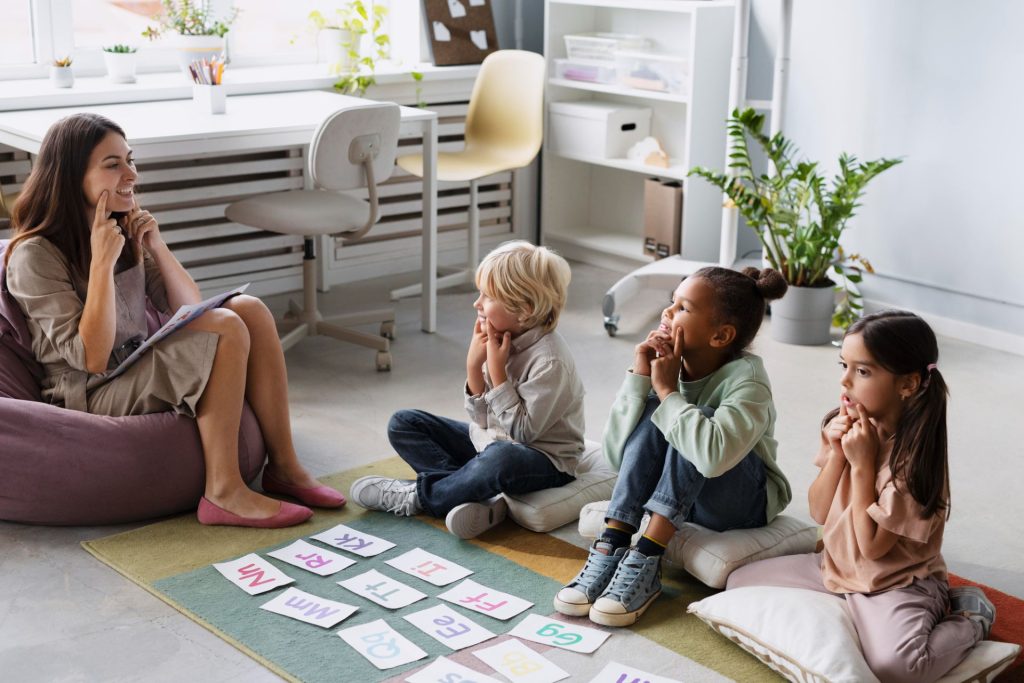
Younger children may enjoy listening games, songs and playful exploration of words. Older pupils may need discreet support that respects their confidence, friendships and classroom participation. Gestures, pictures or other communication methods can help when speech is difficult to understand.
Specific speech practice should follow advice matched to the child’s needs. A speech and language therapist can assess difficulties and recommend appropriate targets. Hearing concerns also need attention.
Education staff have an important role in identifying difficulties, working with families and creating opportunities for successful communication without making accurate pronunciation a condition for being heard, included or understood.
How we can help
Our online or face-to-face training in small groups helps you understand speech sound development and the support education staff can provide. We explain common terms clearly and explore the difference between everyday communication support and individual speech work.
You can consider how to respond when a pupil’s speech is unclear, model words naturally and protect their confidence to communicate. We also explore how age, language background and individual needs influence the support you choose.
The training helps you recognise the importance of following specialist advice for specific speech targets. We focus on practical understanding, sensitive responses and knowing when to raise concerns, so you can work more confidently alongside families and professionals involved in a pupil’s care.

Enquire about speech sound development for your school
Contact us to discuss speech sound development and the support you are interested in. Together, we can discuss whether the training fits your setting and arrange online or face-to-face training.
Our team are ready to help
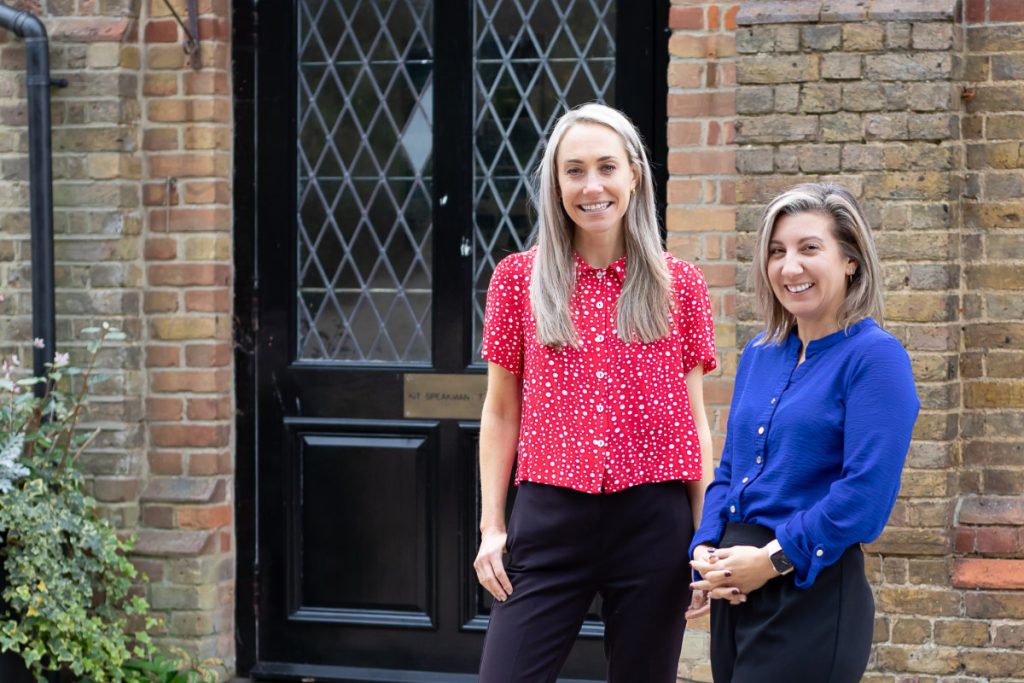
Our Essex and South West teams help children and young people reach their communication potential through support in schools, clinics and local communities. Covering Essex, Bristol, Bath and South Gloucestershire, our HCPC-registered therapists are members of the RCSLT, while apprentices receive guidance from our experienced team and partner universities.
Our clients say it best...
Registered, regulated, insured
Every therapist is HCPC-registered and a member of the Royal College of Speech and Language Therapists, with enhanced DBS checks and safeguarding training as standard. You can verify any therapist’s registration directly with the HCPC.

Contact us
Our aim is to provide a gold-standard speech and language therapy service to children and families in Essex and the South West.
Our values make this possible: Togetherness, Integrity, Child-centred, Support and Respect