Vocabulary development
Support learners to understand, remember and use new words, with practical approaches that connect vocabulary teaching to conversation, reading, writing and classroom learning.
About the intervention
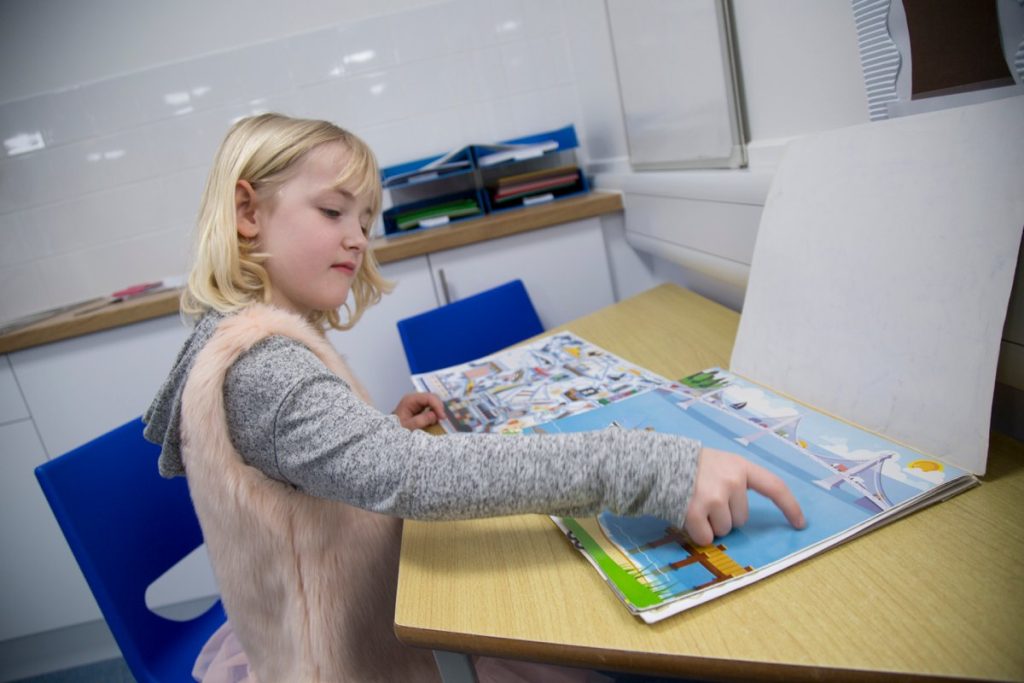
Vocabulary development involves learning what words mean, how they relate to other words and how to use them in different situations. A broad vocabulary supports conversations, reading, writing and access to learning. Vocabulary knowledge is hugely variable and is dependent on many factors.
Learning new words relies on quality-first teaching that involves clear explanations, meaningful examples and repeated opportunities to use vocabulary. Some students need additional support to remember words or retrieve them when communicating.
Selecting appropriate words, exploring visual and contextual information, focusing on both the word’s meaning and its properties (for example, initial sounds or number of syllables) and embedding explicit recall opportunities are all fundamental to word learning.
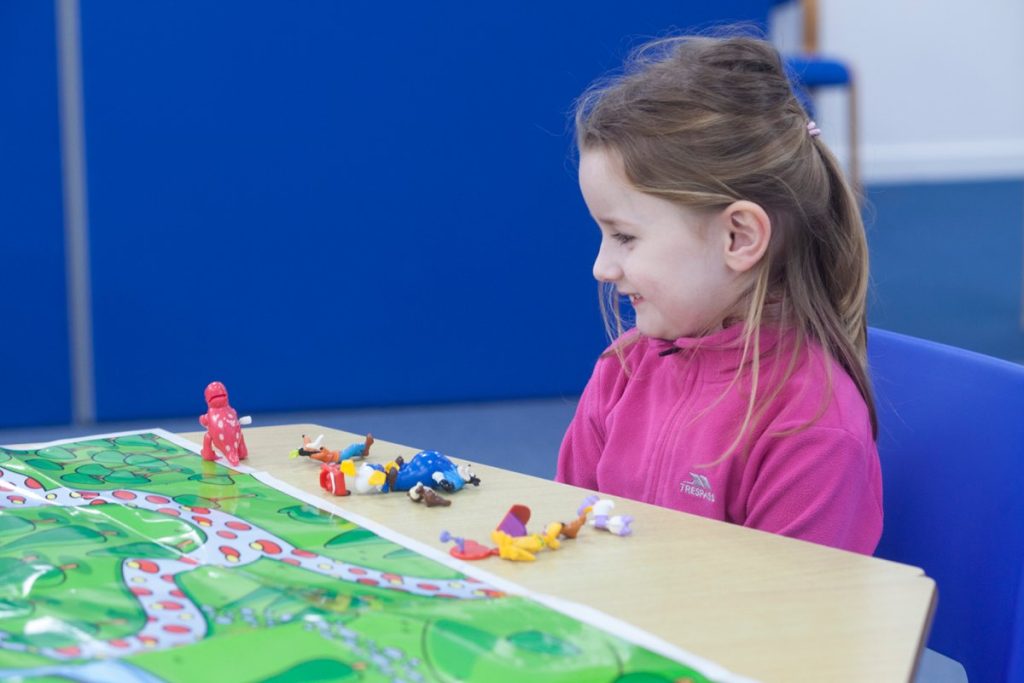
Vocabulary development in younger children can be supported through play, books and everyday routines. Older pupils may need explicit teaching of subject vocabulary, abstract words and words with several meanings. Linking vocabulary to experience and curriculum content will help students remember and recall new words.
Vocabulary support is a broad area of practice and activities can be selected around individual priorities. When difficulties are persistent or affect participation, speech and language therapy advice can help clarify needs and guide targeted support alongside accessible teaching across subjects.
How we can help
Our online or face-to-face training helps you understand how learners develop vocabulary and where difficulties can arise. We connect word learning with everyday communication and the language demands of the curriculum.
You can explore how to choose useful words, explain meanings clearly and create opportunities to revisit vocabulary in different contexts. We also discuss ways to use pictures, experiences and connections between words to make learning meaningful.
The training helps you consider the difference between encountering a word and understanding it well enough to use it. We focus on practical principles that can inform classroom teaching and additional support, with attention to learners’ ages, interests and communication needs across a range of education settings.
Enquire about vocabulary development for your school
Contact us to discuss vocabulary development and the support you are interested in. Together, we can discuss whether the training fits your setting and arrange online or face-to-face training.
Our team are ready to help
Our Essex and South West teams help children and young people reach their communication potential through support in schools, clinics and local communities. Covering Essex, Bristol, Bath and South Gloucestershire, our HCPC-registered therapists are members of the RCSLT, while apprentices receive guidance from our experienced team and partner universities.

Our clients say it best...
Registered, regulated, insured
Every therapist is HCPC-registered and a member of the Royal College of Speech and Language Therapists, with enhanced DBS checks and safeguarding training as standard. You can verify any therapist’s registration directly with the HCPC.


Contact us
Our aim is to provide a gold-standard speech and language therapy service to children and families in Essex and the South West.
Our values make this possible: Togetherness, Integrity, Child-centred, Support and Respect